Nobody's Saving Your Seat: The Weekday Matinee Is 2026's Cheapest Two-Hour Reset

Photo by Photo by Felix Mooneeram on Unsplash on Unsplash
There is a particular sound a nearly empty movie theater makes at 1:20 on a Wednesday afternoon. The projector hums. The HVAC cycles on. Somebody two rows back rustles a bag of something. And then, for about twenty minutes of trailers, nothing else happens at all.
For a growing number of Americans, that silence is the whole point.
The weekday matinee isn't new — discount afternoon showings have existed as long as multiplexes have had empty seats to fill. What's changed in 2026 is who's showing up and why. This isn't date night. It isn't a birthday party or a opening-weekend pilgrimage. It's a solo trip, taken on a whim, often planned roughly ninety minutes in advance, and increasingly treated less like a night out and more like a very affordable appointment with yourself.
The Math Is Genuinely Absurd
Start with the ticket. Most major chains — AMC, Regal, Cinemark — still run some version of a discounted weekday pricing tier, and matinee windows before roughly 4pm tend to land in the single digits at a lot of locations. Layer on a loyalty subscription and the per-movie cost can drop into "cheaper than a coffee and a pastry" territory. In a year when a Friday night showing plus parking plus a snack can clear $40 without trying, a $7 ticket at 2pm starts to look less like a compromise and more like a loophole.
Then there's the popcorn. Concession pricing hasn't gotten kinder, but a weekday matinee invites a different calculus. You're already saving twenty bucks on the ticket. Suddenly the medium popcorn feels like a rounding error instead of a dare.
Theaters, for their part, are not fighting this. Empty auditoriums at 2pm cost money whether or not anyone's in them — the lights, the staffing, the climate control all run regardless. A half-full Tuesday afternoon is better than an empty one, and a matinee crowd that buys a soda is better still. That's why the discounts keep appearing, why some locations have nudged their matinee windows later, and why a few chains have started quietly promoting weekday afternoon slots in app notifications rather than hiding them in a dropdown menu.
The Empty Rows Are the Feature
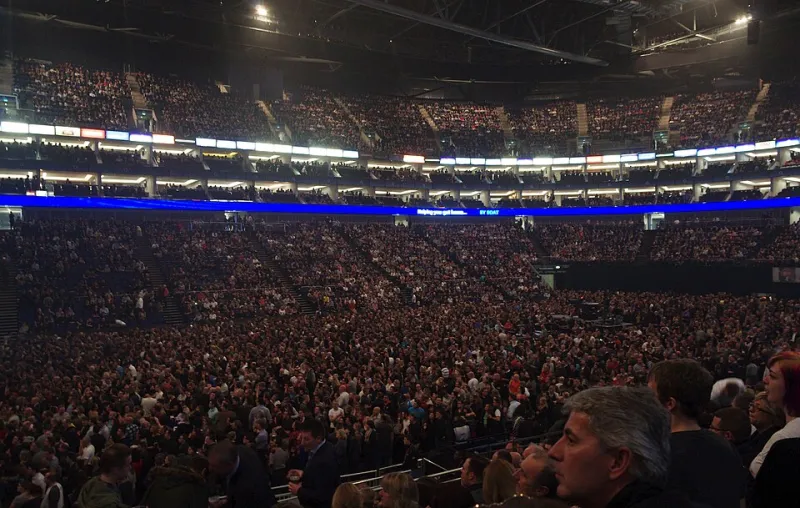
Scroll through the corners of social media where people post about their moviegoing and you'll notice a genre forming: the empty theater photo. A single seat, a glowing screen, a row of unoccupied recliners stretching off into the dark. Captions tend toward the smug-but-harmless register — had the place to myself — and the comments are usually a mix of envy and wait, which theater is this.
It reads like a flex, but it's closer to a confession. The appeal isn't exclusivity. It's the absence of small social obligations. No one to whisper to. No one to worry about whispering to. No mild guilt about checking your phone, because there's nobody within three rows to disturb. You can laugh out loud at something stupid, or cry at something that doesn't really deserve it, and the only witness is a teenager restocking napkins in the hallway.
That's a rare thing in 2026. Most of the places we spend money on are designed to be shared, posted, and compared. The empty matinee is one of the last purchases you can make that produces absolutely nothing for anyone else to see.
What a Weekday Afternoon Actually Costs You
The ticket is the cheap part. The real expense is two and a half hours in the middle of a workday, which is exactly why this habit has grown alongside flexible schedules, hybrid offices, and the general blurring of when the day is supposed to end. For remote workers, the matinee has become a legitimate way to break up a shapeless afternoon, the way a walk around the block used to be. For shift workers, retirees, freelancers between projects, and anyone with a Tuesday off, it's a low-stakes way to leave the house without committing to an entire evening.
There's also the small ritual around it, which regulars describe with a straight face and a certain amount of pride. You buy the ticket at the kiosk because there's no line. You take the seat you'd never take on a Saturday — dead center, ideally. You eat the popcorn before the trailers end and then feel mildly foolish about it. You stay through the credits because there's no reason not to.
None of this is nostalgic. Nobody is arguing that the matinee is a return to some golden age of cinema. If anything, the appeal is aggressively modern: it's a cheap, bookable, low-commitment experience in a culture that keeps making everything more expensive and more complicated. It's the same instinct that made the $30-and-under gift guide a genre and the twenty-minute walk a replacement for the scroll.
The Unclaimed-Time Theory
Ask people why they go and the answers circle the same idea. Not the movie — the movie is often forgettable, sometimes deliberately so. It's the two hours of unclaimed time. No notifications, no errands, no one asking you a question. Just a dark room and a story you didn't have to choose from a menu of one thousand options.
Theaters have noticed. Some have added weekday afternoon showings of older films, or leaned into the matinee as a kind of public service for people who want a quiet place to sit. Others have kept the discounts unadvertised, which is arguably the smarter play — the people who know, know.
And that might be the most 2026 thing about the whole trend. The weekday matinee doesn't want to be an event. It wants to be a secret that happens to be printed on the ticket board. Two hours, one seat, nobody's saving it for you.